Easy Games For Family Evenings
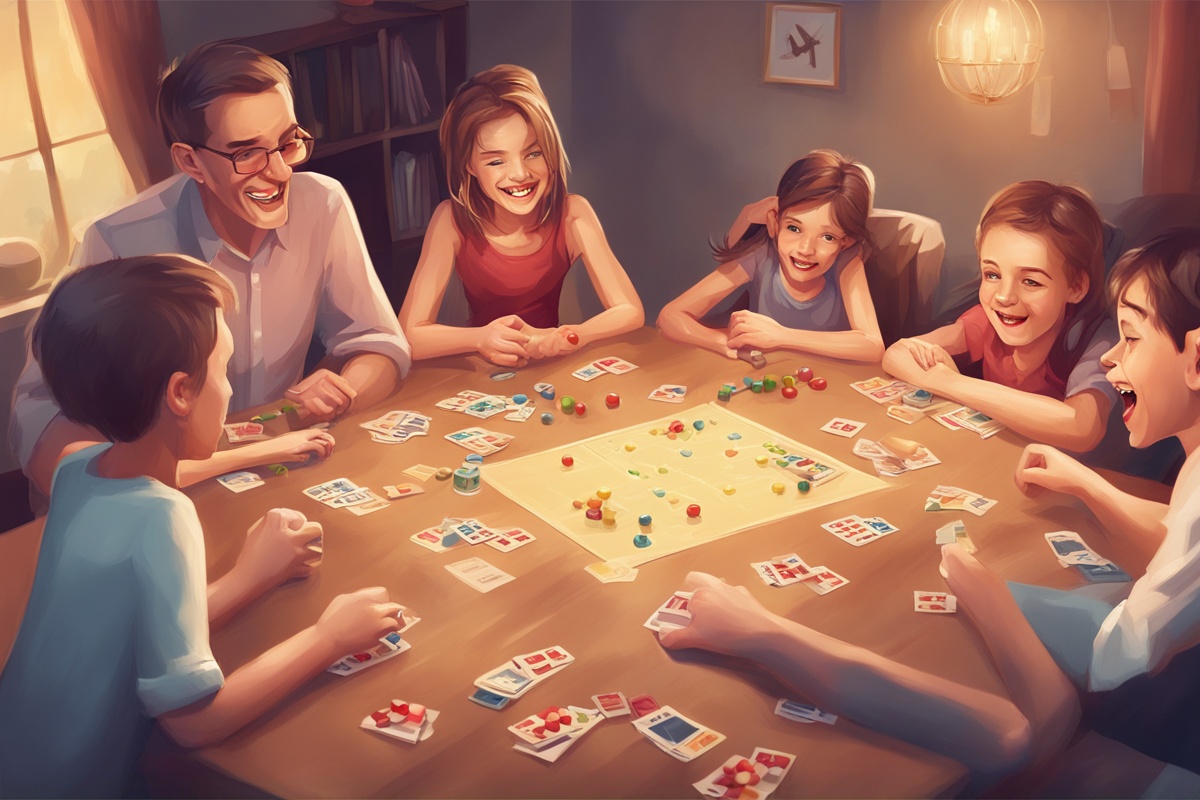
Family evenings are a precious time to bond, laugh, and create memories that last a lifetime. But let’s be honest—finding activities that keep everyone entertained, from the little ones to the grumpy teens and even the adults, can feel like searching for a needle in a haystack. That’s where easy games for family evenings come in. These games aren’t just about passing the time; they’re about bringing everyone together, no matter their age or skill level. I’ve spent countless nights testing out games with my own family, and I’m excited to share some tried-and-true options that have turned our ordinary evenings into unforgettable moments of joy. Whether you’re dealing with a rainy night in or just looking to unplug from screens, these games are your ticket to fun without the fuss.
Why Easy Games for Family Evenings Matter
Ever noticed how quickly a family game night can go south if the rules are too complicated or the game drags on forever? I’ve been there—trying to explain a 10-page rulebook to my 7-year-old while my teenager rolls their eyes. Easy games for family evenings are a game-changer (pun intended) because they level the playing field. They’re simple enough for young kids to grasp, quick enough to hold everyone’s attention, and engaging enough to get even the most reluctant family members involved. According to a study by the National Institute for Play, shared playtime strengthens family bonds and reduces stress—something we could all use a little more of these days. So, let’s dive into why simplicity is key and how it can transform your family time.
Top 5 Easy Games for Family Evenings to Try Tonight
If you’re looking for games that require minimal setup and maximum fun, I’ve got you covered. These picks are based on my own family’s hits (and a few misses) over the years, plus insights from child development experts who emphasize the importance of inclusive play. Here’s a list of five easy games for family evenings that’ll have everyone laughing in no time:
- Charades: A classic for a reason. Write down words or phrases on slips of paper, split into teams, and act them out without speaking. It’s hilarious watching Dad try to mime “elephant” while the kids guess everything but. No equipment needed beyond paper and a pen, and it works for all ages.
- UNO: This card game is a staple in our house. The rules are simple—match colors or numbers, throw in a “Draw Four” to spice things up, and watch alliances form and break. It’s quick, portable, and perfect for a 20-minute round.
- Pictionary: Similar to Charades but with drawing instead of acting. Grab a whiteboard or paper, pick a word, and sketch it out. My family still talks about the time my sister drew a “cat” that looked more like a spaceship. It’s a riot for creative minds and terrible artists alike.
- 20 Questions: One person thinks of something (an object, person, or place), and everyone else asks yes-or-no questions to guess it within 20 tries. It’s a fantastic way to get kids thinking critically without them even realizing it.
- Bingo: Whether you use store-bought cards or make your own, Bingo is a low-effort, high-reward game. Call out numbers or words, and let the excitement build as someone yells, “Bingo!” Pro tip: add small prizes like candy to up the stakes.
These games don’t require fancy gadgets or hours of prep, which means you can focus on what really matters—connecting with your loved ones.
How to Choose the Right Game for Your Family
Not every game is a perfect fit for every family, and that’s okay. Imagine you’ve got a mix of toddlers and teens at the table—how do you keep everyone happy? From my experience, it’s all about knowing your crew. Consider age ranges first: games like UNO work across generations, while Charades might need tweaks for younger kids (think simpler words like “dog” instead of “philosopher”). Also, think about attention spans. My 5-year-old can’t sit through a long strategy game, so we stick to quick rounds. Lastly, factor in interests. If your family loves storytelling, try a game like 20 Questions over a competitive card game. Dr. Stuart Brown, a leading researcher on play, notes in his book Play: How It Shapes the Brain that tailoring activities to a group’s dynamics boosts engagement. So, take a moment to assess what’ll click with your bunch—you’ll thank yourself later.
Tips for Making Family Game Nights Stress-Free
Let’s face it: family game nights can sometimes turn into chaos if you’re not prepared. I’ve learned the hard way after one disastrous evening involving spilled juice, missing game pieces, and a toddler meltdown. To keep your easy games for family evenings actually, well, easy, here are some practical tips I swear by:
- Set a Time Limit: Keep games short and sweet—30 to 60 minutes max. This prevents boredom and leaves everyone wanting more.
- Prepare Snacks: Have light, mess-free snacks like popcorn or pretzels ready. Hungry players are cranky players, trust me.
- Create a No-Screen Rule: Put phones away to keep the focus on fun. We stash ours in a bowl at the start of the night—it works wonders.
- Be Flexible with Rules: If a game’s too hard for the youngest player, bend the rules a bit. It’s about enjoyment, not perfection.
- Rotate Game Choices: Let each family member pick a game on different nights. It keeps things fair and introduces variety.
These small steps can turn a potentially hectic night into a smooth, laughter-filled memory. After all, isn’t that the whole point?
Adapting Games for Different Age Groups
One of the biggest challenges with family game nights is the age gap. How do you make sure your 4-year-old isn’t left out while still challenging your 14-year-old? I’ve found that adapting easy games for family evenings is often the answer. Take Charades, for instance. For younger kids, I stick to basic animals or objects and give them extra time to guess. For teens and adults, I throw in trickier concepts like movie titles or historical figures. With card games like UNO, younger players can team up with an adult to learn the ropes. The American Academy of Pediatrics highlights that inclusive play fosters social skills across age groups, so don’t shy away from mixing things up. A little creativity goes a long way—last week, we even let my youngest “draw” for Pictionary by describing her scribbles, and it was a hit with everyone.
The Long-Term Benefits of Family Game Nights
Beyond the giggles and friendly rivalries, easy games for family evenings offer benefits that stick with you. I’ve seen firsthand how regular game nights have helped my kids open up more—they’ll spill about their day over a round of Bingo in a way they wouldn’t at the dinner table. Research backs this up: a study from Brigham Young University found that family recreational activities, including game nights, improve communication and emotional closeness. Plus, these games teach patience, teamwork, and problem-solving without feeling like a lecture. So, while you’re laughing over a bad drawing in Pictionary, you’re also building skills and bonds that’ll last far beyond the game itself. Isn’t that worth a little time each week?
References
- National Institute for Play – Benefits of Play
- American Academy of Pediatrics – The Power of Play
- Brigham Young University – Family Activities Improve Relationships
- Play: How It Shapes the Brain by Stuart Brown
Disclaimer: This article is for informational purposes only, based on general research and personal experience. It is not intended to serve as a substitute for professional advice or guidance. While the suggestions and insights provided aim to enhance family bonding through game nights, individual family dynamics and needs may vary. Always consult a qualified professional, such as a family counselor or child development expert, for personalized recommendations or if you have specific concerns about family activities or interactions. The author and publisher are not liable for any outcomes resulting from the application of the information in this article.
This content is for informational purposes only and not a substitute for professional advice.
Post Comment